PRESS RELEASE
For Immediate Release
2026 International Day of Zero Tolerance for Female Genital Mutilation (FGM)
February 6, 2026
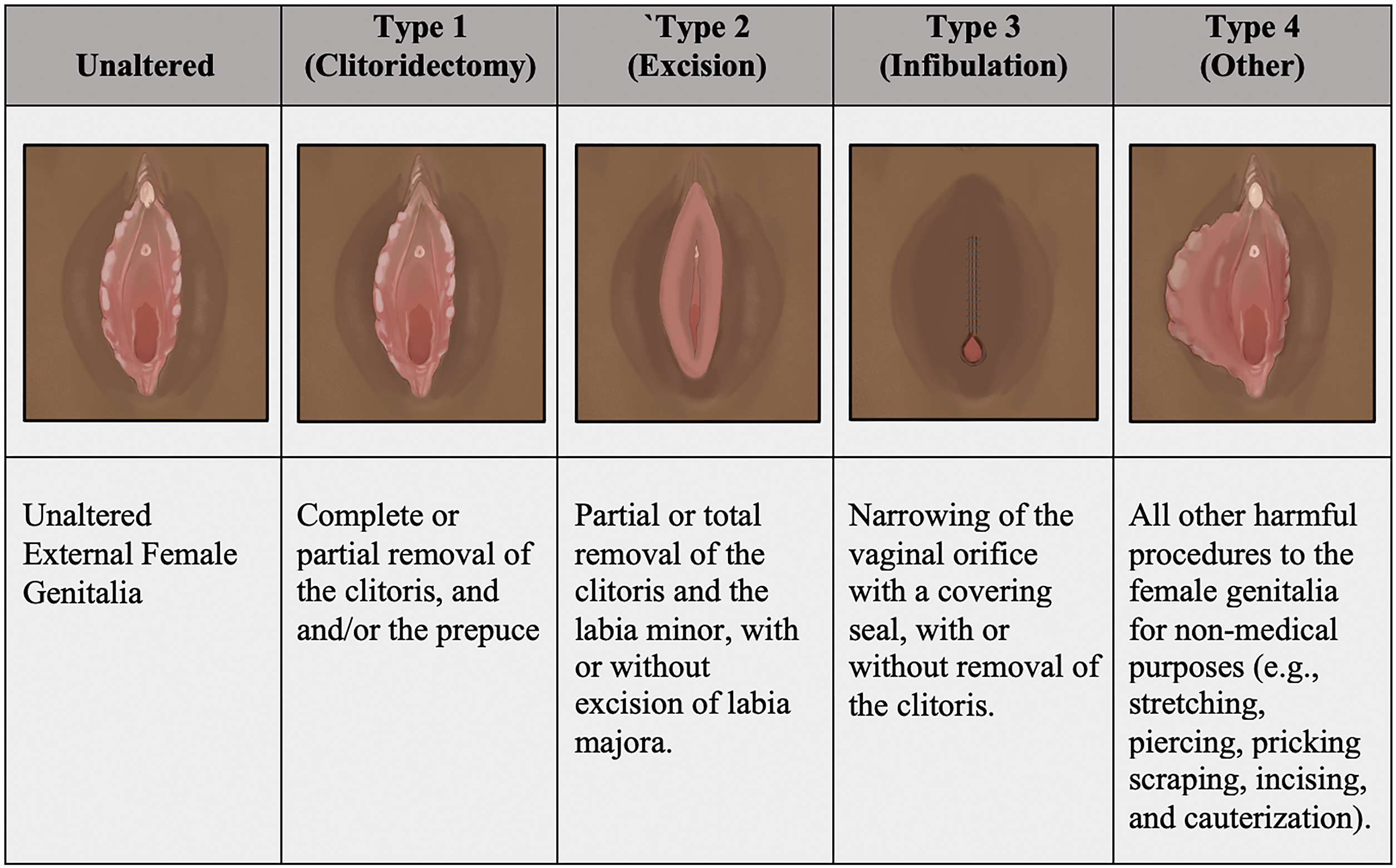
Nigeria remains at the forefront of the global fight against Female Genital Mutilation (FGM), with an estimated nearly 20 million women and girls living with the consequences of the practice, being the third-highest number globally (UNICEF, 2024)[1]. National data shows that 15.1% of women aged 15–49 and 8.2% of girls aged 0–14 have undergone FGM, showing uneven progress and persistent risk despite existing legal frameworks (United Nations Population Fund & UNICEF, 2024)[2].
In South East Nigeria, prevalence remains alarmingly high. UNICEF data shows that Imo State records one of the highest rates in the country, with approximately 38% of women aged 15–49 having undergone FGM and nearly 10% of girls aged 0–14 affected, far above the national average (Daily Post Newspaper, February 7, 2025)[3]. This reality places thousands of girls at continued risk every year and demands urgent, targeted intervention.
According to Iheoma Obibi, Executive Director, Alliances for Africa (AfA), “Nigeria cannot claim progress on girls’ rights while millions continue to live with the lifelong consequences of FGM. In Imo State and across South East Nigeria, this practice remains deeply entrenched. These are not just numbers, they are girls whose health, dignity, and futures are being compromised. Securing tomorrow means protecting girls today, through decisive action, not rhetoric.”
This year’s theme, “Securing Tomorrow by Ending FGM Through Commitment and Collective Change,” underscores the need to move beyond awareness to sustained, coordinated action. As the 2030 global elimination target approaches, progress will only be achieved through political will, adequate resourcing, and community-driven norm change.
FGM is a harmful practice rooted in social pressure and gender inequality. It violates the fundamental human rights of girls and women and has no health benefits. Instead, it exposes survivors to immediate and long-term health complications, including childbirth risks, psychological trauma, and reduced educational and economic opportunities. Its impact extends beyond individuals, weakening families, communities, and development outcomes.
Alliances for Africa calls on the Imo State Government to strengthen enforcement of existing laws, invest in long-term community-led prevention programmes, and work with traditional and faith leaders to challenge harmful norms. We also urges families, young people, and civil society actors to speak out, support survivors, and take collective responsibility for ending FGM.
On this International Day of Zero Tolerance for FGM, Alliances for Africa honours the resilience of survivors and the tireless efforts of activists and grassroots organisations working to end the practice. We reaffirm our commitment to a future where every girl grows up free from harm, empowered, and able to realise her full potential.
About Alliances for Africa
Alliances for Africa (AfA) is a feminist-led human rights, peace, and sustainable development organisation dedicated to advancing gender equality, protecting human rights, and promoting social justice through strategic partnerships and community-led action.
Media Contact:
Alliances for Africa (AfA)
www.alliancesforafrica.org
Facebook: AlliancesforAfrica
Twitter/X: @afaafrica
Instagram: @alliancesforafrica
LinkedIn: Alliances for Africa
[1] UNICEF (2024). Standing with Survivors to End Female Genital Mutilation in Nigeria (Press release). UNICEF Nigeria. Retrieved from https://www.unicef.org/nigeria/press-releases/standing-survivors-end-female-genital-mutilation-nigeria
[2] United Nations Population Fund & UNICEF (2024). Female Genital Mutilation (FGM) in Nigeria: Country Snapshot (MICS 2021 & NDHS). Retrieved from https://www.unfpa.org/fgm-country-snapshots/nigeria and UNICEF annual report.
[3] Daily Post Newspaper (2025). Imo, Ebonyi lead South-East in Female genital Mutilation prevalent – UNICEF.Retrieved fromhttps://dailypost.ng/2025/02/07/imo-ebonyi-lead-south-east-in-female-genital-mutilation-prevalent-unicef/